
Kathmandu, November 3, 2026: A morning helicopter operation in Nepal's Mount Everest region turned fatal…
US Strikes Iran’s Qeshm Island as Tensions Rise Near Strait of Hormuz
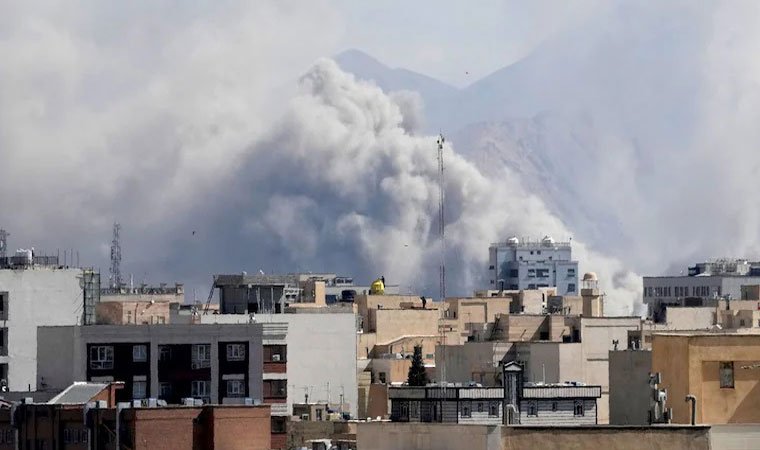
Washington/Tehran, November 3, 2026: Fresh explosions on a strategically important Iranian island have brought renewed attention to the fragile security situation in the Strait of Hormuz, as reports emerged that American forces conducted limited military strikes despite continuing diplomatic efforts between Washington and Tehran.
The reported operation targeted Qeshm Island, located near one of the world’s most important shipping routes. US officials described the action as defensive, while Iranian state media reported multiple explosions in the area.
The development comes at a sensitive moment for the Middle East, with the United States preparing for midterm elections and Israeli Prime Minister Benjamin Netanyahu reportedly urging President Donald Trump to consider further military action against Iran.
Explosions Reported on Iran’s Qeshm Island
Iran’s state news agency IRNA reported that residents of Qeshm Island heard five explosions in quick succession. Some witnesses also reportedly observed aircraft flying over the island.
According to a report by The Wall Street Journal, American forces carried out strikes on the island as part of a series of smaller military operations conducted in recent weeks.
US officials subsequently told Reuters and other international news organisations that the latest action was limited in scope and intended to counter threats against American military assets and shipping interests in the region.
The precise targets, extent of damage and any casualties were not immediately established.
Why Did the United States Target Qeshm Island?
American officials characterised the operation as a defensive response to Iranian military activity around the Strait of Hormuz.
According to reporting by Reuters and CNN, the strikes followed Iranian surface-to-air missile activity directed against US military assets. One US official indicated that Iranian forces had fired at an American aircraft.
The latest confrontation comes amid continued threats to commercial shipping in the strategic waterway.
US officials have also reportedly expressed concerns about Iran’s ability to launch attacks against vessels passing through the strait, which connects the Persian Gulf with international shipping routes.
The Wall Street Journal reported that Washington had avoided publicly announcing some recent operations to prevent them from being interpreted as the beginning of a wider military campaign.
Why Is Qeshm Island Strategically Important?
Qeshm is Iran’s largest island in the Persian Gulf and occupies a strategically significant position near the Strait of Hormuz.
Its proximity to major international shipping lanes gives the island considerable importance in regional maritime security.
The island is also reported to contain military infrastructure, including naval facilities and missile-related installations.
The Strait of Hormuz is a crucial passage for global energy supplies, particularly crude oil and liquefied natural gas transported from Gulf producers to international markets.
Disruptions to shipping in this narrow corridor can increase freight costs, affect oil supplies and create uncertainty in global energy markets.
The latest reported strikes therefore carry implications beyond the immediate confrontation between the United States and Iran.
Netanyahu Reportedly Presses Trump for Further Action Against Iran
The military developments have coincided with reports of differences between Washington and Israel over how to approach the next phase of the Iran conflict.
According to Axios, Israeli Prime Minister Benjamin Netanyahu urged President Donald Trump during a recent telephone conversation to consider renewed military strikes against Iran immediately after the November 3 US midterm elections.
However, Trump reportedly preferred to give diplomatic negotiations additional time before deciding whether to authorise a broader military operation.
The discussions reflect an increasingly complicated regional situation, with Israel seeking stronger action against Iranian military capabilities while Washington continues exploring the possibility of a negotiated settlement.
Neither the White House nor Netanyahu’s office publicly confirmed the reported details of the conversation.
Trump Signals Possibility of Diplomatic Agreement
Despite the latest military activity, President Trump has recently played down expectations of an immediate return to large-scale fighting.
Speaking to reporters on November 2, Trump indicated that an agreement with Tehran remained possible.
His comments followed renewed diplomatic contacts involving Washington, Tehran and regional intermediaries.
Vice President JD Vance also expressed optimism about negotiations, indicating that discussions had made progress even though significant differences remained.
The contrasting developments highlight the uncertainty surrounding US policy toward Iran, with limited military engagements continuing alongside attempts to reach a diplomatic understanding.
Oil Markets React to Renewed Middle East Tensions
The situation in the Strait of Hormuz remains a major concern for international energy markets.
Oil prices fell sharply on Monday, November 2, amid optimism that diplomatic efforts could reduce the risk of prolonged conflict and improve shipping conditions.
However, prices edged higher in early trading on Tuesday following reports of the latest US strikes on Qeshm Island.
Energy markets remain sensitive to developments affecting the strait because disruption to maritime traffic can significantly influence global oil transportation.
Analysts and traders are closely watching whether the latest confrontation remains limited or leads to further military escalation.
US Central Command Yet to Issue Detailed Public Explanation
The Pentagon referred questions about the reported operation to US Central Command, which oversees American military operations in the Middle East.
At the time of the initial reports, CENTCOM had not issued a detailed public account of the strikes.
Meanwhile, Iranian authorities had not provided a comprehensive assessment of damage from the explosions reported on Qeshm Island.
The absence of detailed official statements leaves several important questions unanswered, including the specific facilities targeted and whether additional military operations are planned.
What Happens Next?
The latest developments place the Strait of Hormuz once again at the centre of international attention.
Washington faces the challenge of protecting American forces and maritime interests while pursuing a possible diplomatic agreement with Tehran.
Iran, meanwhile, continues to maintain a strategically important position along shipping routes that are critical to international energy supplies.
Although US officials have described the reported operation as limited and defensive, continued military encounters could increase the risk of a broader confrontation.
For now, attention remains focused on three developments: the outcome of diplomatic negotiations, any further military activity around Qeshm Island, and the impact of regional tensions on global shipping and energy markets.
Related Posts